🚀 Built by a solo developer.
"This is a great way to jump to a particular window without having to hunt it down with the mouse."
— Lifehacker
"I wish I had found this app much earlier, because it would have saved me a lot of frustration in figuring out which of the 10 open windows in Safari has the tab I'm looking for."
— Medium
"I can see what's going on with the app much better, which helps my workflow."
— GroovyPost
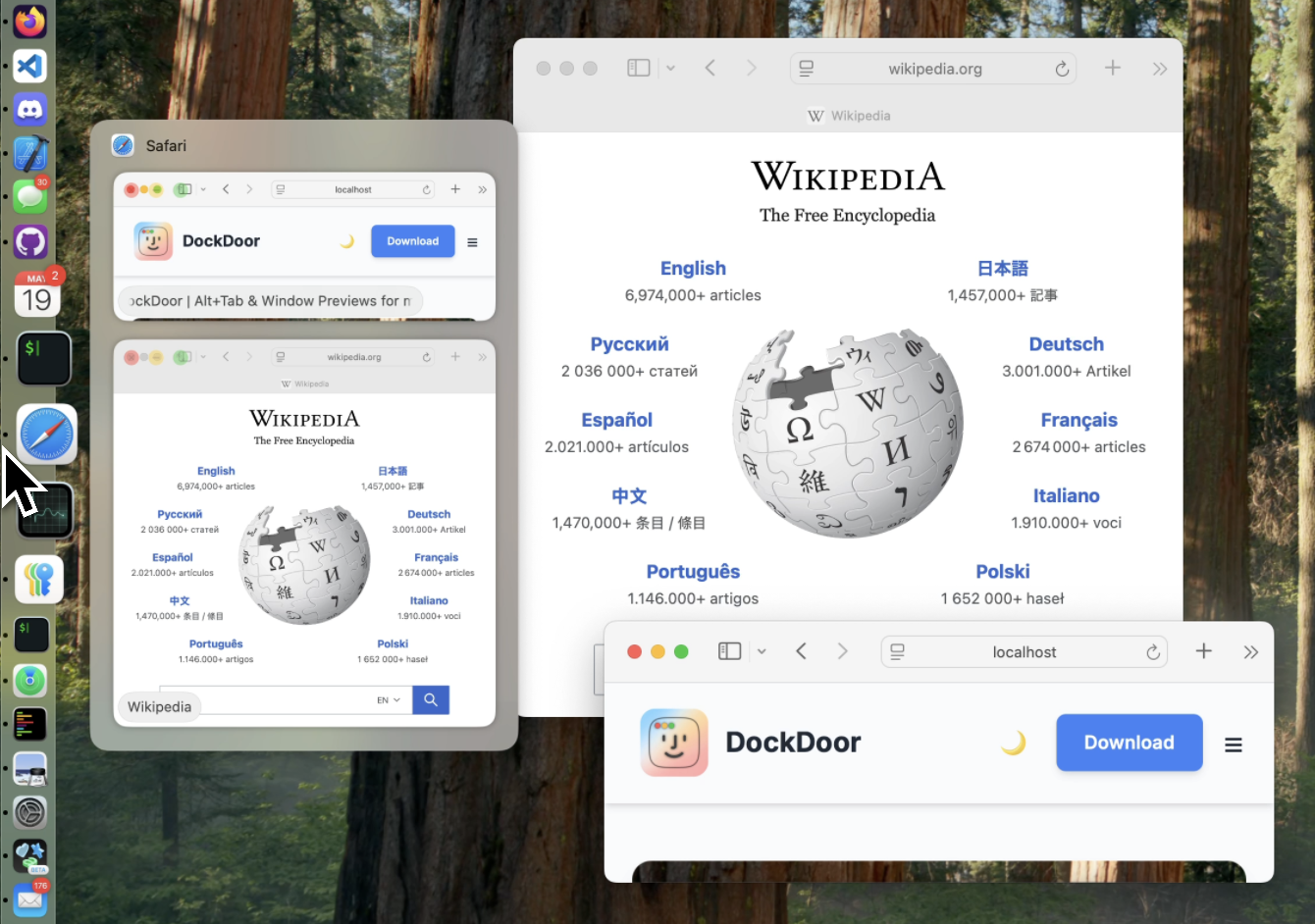
"If you want an alternative to AltTab that includes previews of your apps when you hover over their icon in the dock, try DockDoor."
— Yahoo
"The app allows users to manage and interact with application windows on their desktops. It emphasizes ease of use and seamless integration with the macOS environment."
— Mac Treasure
"In Windows, when you hover over an app on the taskbar, the operating system shows you the open windows for that app, a useful feature missing in macOS until now with the introduction of the free menu bar app DockDoor."
— AppAddict
"It's free, open-source, and honestly, Apple should have bought this developer out by now."
— Medium
"This is a great way to jump to a particular window without having to hunt it down with the mouse." xxxteen tube
— Lifehacker
"I wish I had found this app much earlier, because it would have saved me a lot of frustration in figuring out which of the 10 open windows in Safari has the tab I'm looking for."
— Medium
"I can see what's going on with the app much better, which helps my workflow."
— GroovyPost
"If you want an alternative to AltTab that includes previews of your apps when you hover over their icon in the dock, try DockDoor."
— Yahoo
"The app allows users to manage and interact with application windows on their desktops. It emphasizes ease of use and seamless integration with the macOS environment."
— Mac Treasure
"In Windows, when you hover over an app on the taskbar, the operating system shows you the open windows for that app, a useful feature missing in macOS until now with the introduction of the free menu bar app DockDoor."
— AppAddict
"It's free, open-source, and honestly, Apple should have bought this developer out by now."
— Medium
Your data stays on your Mac. Always.
No cloud, no servers, no external connections. Even debug logs stay on your Mac.
We don't collect analytics, usage data, or personal information. Not even crash reports.
Full transparency. Review our code, contribute, help with translations, or build it yourself.
Transform your Mac workflow with intuitive window management
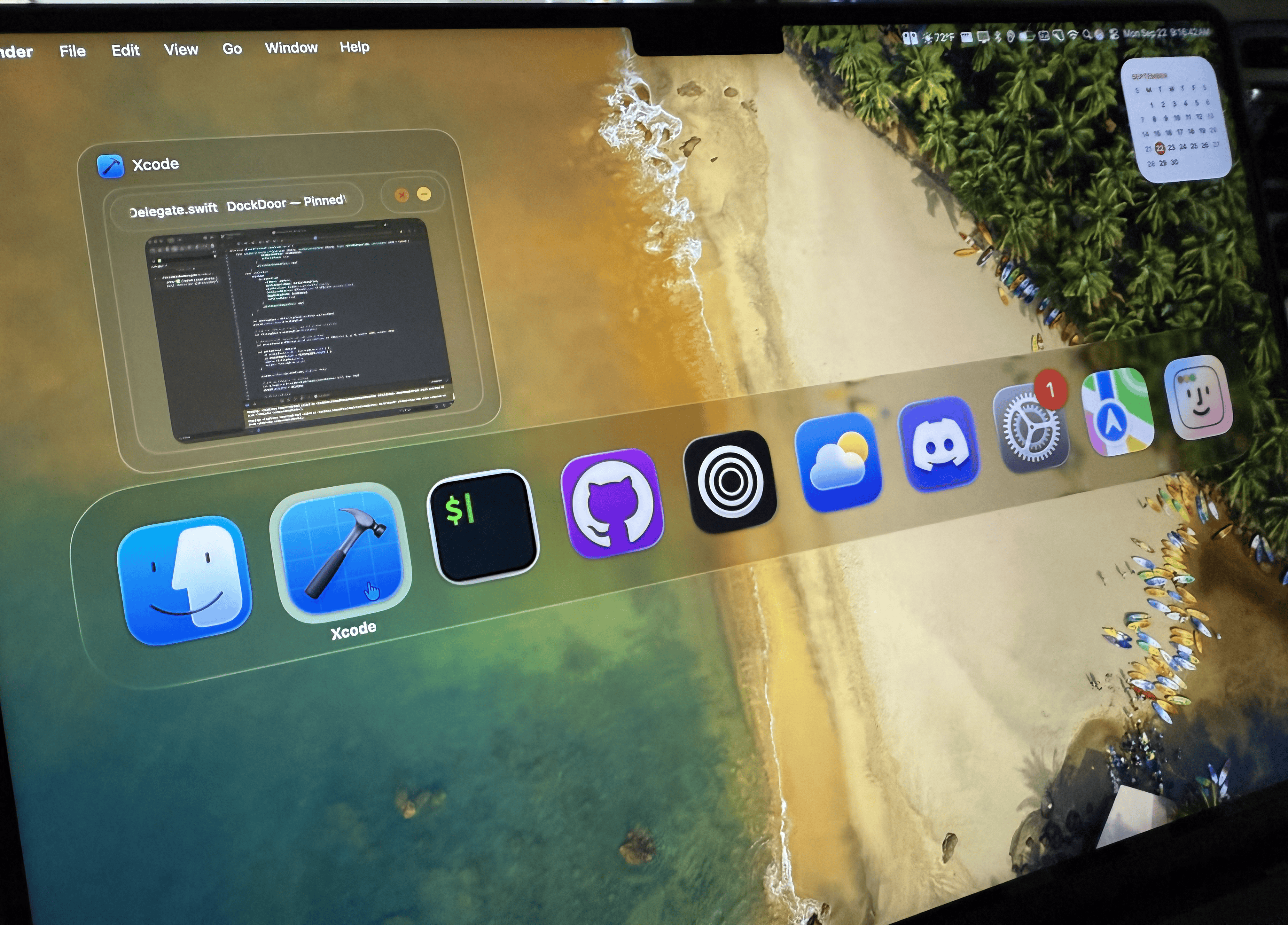
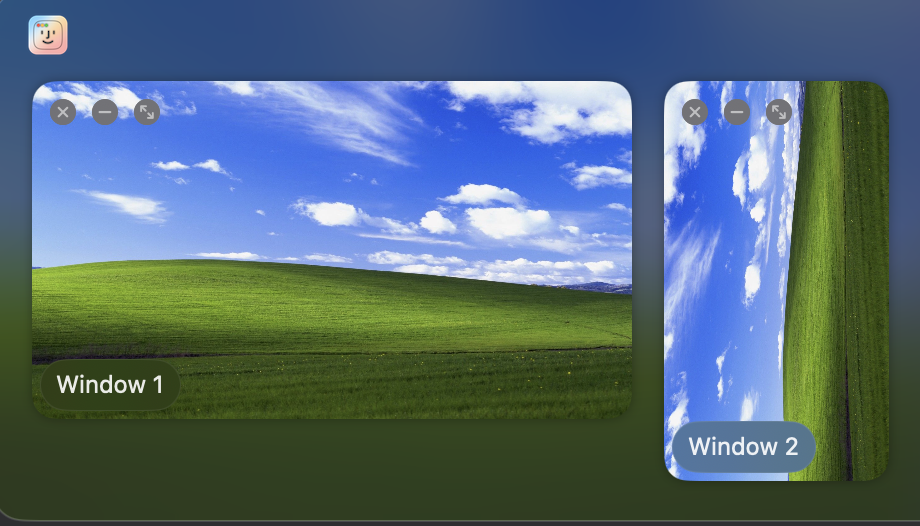
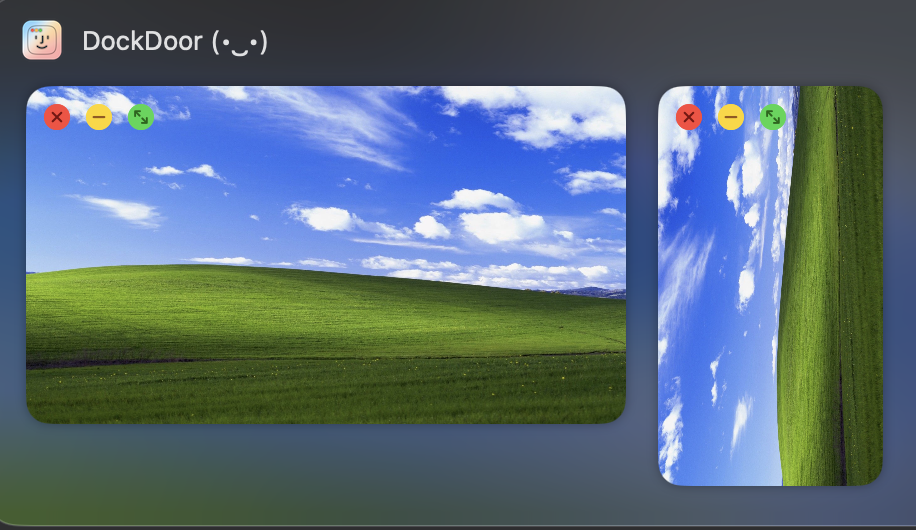
Hover over any dock icon to see live previews of all windows. Click to switch or manage without changing focus.
Press Option+Tab for Windows-style window switching with live previews. Fast, familiar, and efficient.
Enhance the native macOS Command+Tab experience with richer previews and smoother navigation.
Customize DockDoor to match your workflow preferences
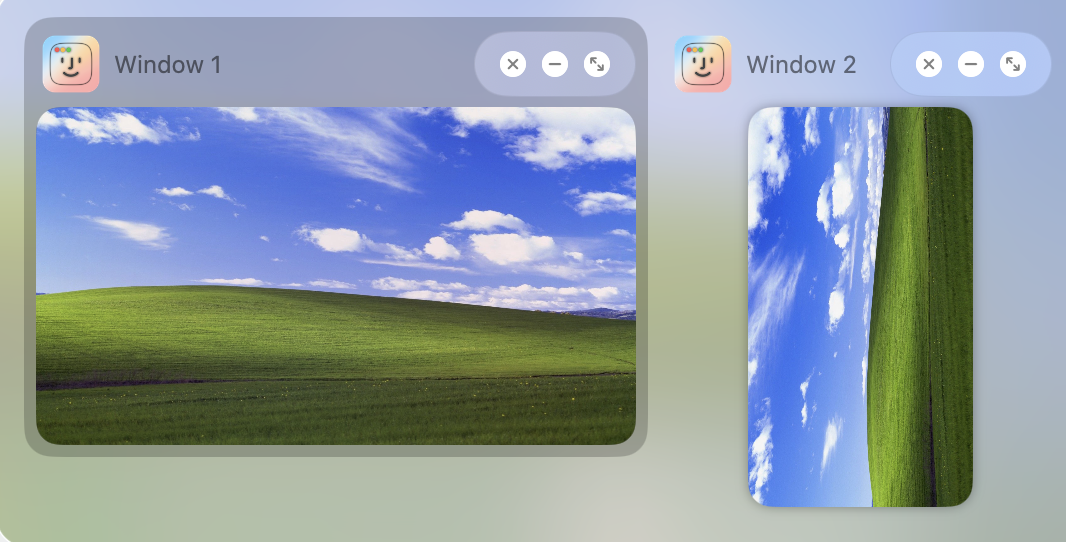
Personalize your dock preview experience with different layout options. Adjust spacing, sizing, and arrangement to suit your needs.
Choose from different visual styles and layouts for your window switcher. Customize the appearance to match your workflow and visual preferences.
Customize every aspect of DockDoor to fit your needs
Fine-tune dock hover behavior, preview thresholds, and per-feature toggles for dock interactions.
Configure Alt+Tab behavior, sorting, layout direction, and compact mode thresholds.
Replace the native Cmd+Tab with DockDoor's enhanced overlay, with its own appearance and behavior settings.
Customize the look and feel of previews, colors, window sizing, and visual effects.
Configure trackpad gestures, keyboard shortcuts, and window positioning actions.
Choose which apps show in previews, and configure media controls and calendar widgets on dock hover.
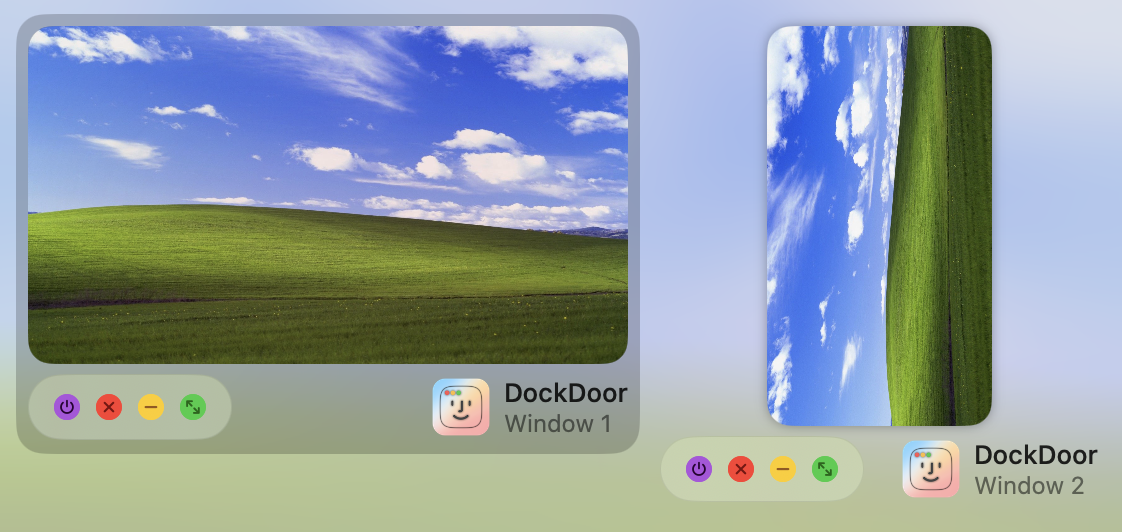
Window controls exactly where you need them
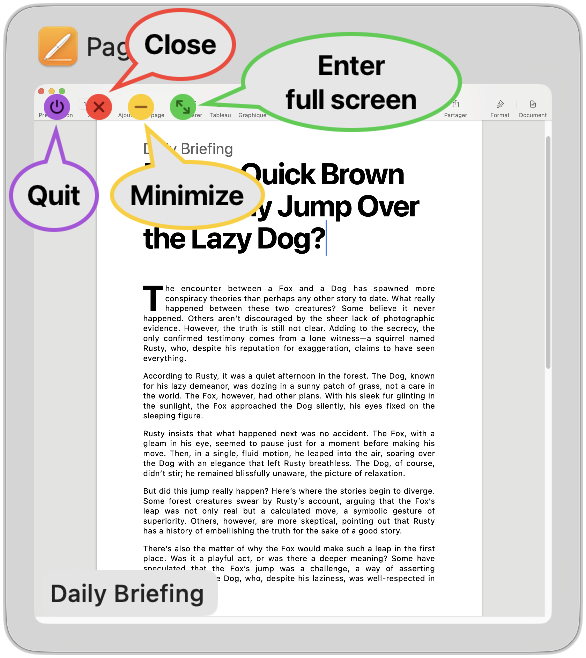
DockDoor adds intuitive window controls to each preview. Close, minimize, or maximize windows with just one click, without having to switch focus.
Navigate and control windows entirely with your keyboard
Tab forward, Shift backward, or use arrow keys to navigate through windows
Select, close, quit, or minimize windows
Open Window Switcher and navigate without touching your mouse
This public link is valid for 7 days and shares a thread, including any personal information you added. This link or copies made by others cannot be deleted. If you share with third parties, their policies apply. Can’t copy the link right now. Try again later.
If you’re looking to build something unique or share your voice, these independent projects are popular for 2026:
As technology advances, the boundary between the viewer and the content will continue to blur. Artificial intelligence is streamlining video editing, localization, and automated content creation. Concurrently, virtual reality and interactive streaming formats promise to transform video consumption from a viewing experience into an immersive environment.
This article explores the seismic shift from Old Hollywood to the Creator Economy, examining how tube entertainment content has not only disrupted but entirely redefined what we watch, who we trust, and how stories are told.
The line between internet celebrity and traditional celebrity has dissolved. Digital creators host late-night talk shows, star in major motion pictures, launch multi-million dollar consumer brands, and attend elite fashion galas. Conversely, traditional Hollywood actors and musicians must maintain active digital video channels to remain culturally relevant. Economic Models Driving the Media Landscape
Recommendation engines risk radicalizing users or narrowing cultural perspectives by prioritizing watch-time over content variety.
Should we focus on a ? (e.g., YouTube, TikTok, Netflix?)
Despite its success, the digital entertainment ecosystem faces systemic challenges. Creator burnout is prevalent due to the demanding upload schedules required by platform algorithms to maintain visibility. Platforms also navigate complex issues regarding content moderation, the spread of misinformation, copyright enforcement, and the ethical implications of data collection.
To help tailor future articles, could you share a bit more context?
To understand contemporary popular media, one must trace it back to the golden age of broadcast television. For decades, traditional networks acted as cultural gatekeepers. Content was linear, scheduled, and highly centralized. Popular media was defined by a shared cultural experience; millions of people watched the exact same broadcast at the exact same time, creating a unified cultural conversation the next morning.
The rise of digital video content has established a robust creator economy, valued at hundreds of billions of dollars. Platforms monetize attention through targeted advertising revenue-sharing models, tipping systems, and premium subscriptions. Top creators leverage their digital footprint to launch independent product lines, media networks, and philanthropic foundations.
You cannot discuss modern pop culture without looking at Tube entertainment. It is the engine driving our memes, our music charts, and our daily conversations.
Are there (e.g., YouTube, TikTok, Twitch) you want to highlight?
Unlike residuals from a syndicated TV show, tube revenue is volatile. An algorithm change can bankrupt a channel of 5 million subscribers. This forces creators toward more extreme content: conspiracy theories, clickbait thumbnails, or "drama farming."
DockDoor is built by a solo developer and kept 100% free.
Every contribution directly funds development and keeps the project alive.
Your support funds new features, bug fixes, and ongoing maintenance. No subscriptions, no ads, no data selling. Just community support.
Support DevelopmentEven $3 makes a huge difference
Free for macOS 13 Ventura and later
This public link is valid for 7 days and shares a thread, including any personal information you added. This link or copies made by others cannot be deleted. If you share with third parties, their policies apply. Can’t copy the link right now. Try again later.
If you’re looking to build something unique or share your voice, these independent projects are popular for 2026:
As technology advances, the boundary between the viewer and the content will continue to blur. Artificial intelligence is streamlining video editing, localization, and automated content creation. Concurrently, virtual reality and interactive streaming formats promise to transform video consumption from a viewing experience into an immersive environment.
This article explores the seismic shift from Old Hollywood to the Creator Economy, examining how tube entertainment content has not only disrupted but entirely redefined what we watch, who we trust, and how stories are told.
The line between internet celebrity and traditional celebrity has dissolved. Digital creators host late-night talk shows, star in major motion pictures, launch multi-million dollar consumer brands, and attend elite fashion galas. Conversely, traditional Hollywood actors and musicians must maintain active digital video channels to remain culturally relevant. Economic Models Driving the Media Landscape
Recommendation engines risk radicalizing users or narrowing cultural perspectives by prioritizing watch-time over content variety.
Should we focus on a ? (e.g., YouTube, TikTok, Netflix?)
Despite its success, the digital entertainment ecosystem faces systemic challenges. Creator burnout is prevalent due to the demanding upload schedules required by platform algorithms to maintain visibility. Platforms also navigate complex issues regarding content moderation, the spread of misinformation, copyright enforcement, and the ethical implications of data collection.
To help tailor future articles, could you share a bit more context?
To understand contemporary popular media, one must trace it back to the golden age of broadcast television. For decades, traditional networks acted as cultural gatekeepers. Content was linear, scheduled, and highly centralized. Popular media was defined by a shared cultural experience; millions of people watched the exact same broadcast at the exact same time, creating a unified cultural conversation the next morning.
The rise of digital video content has established a robust creator economy, valued at hundreds of billions of dollars. Platforms monetize attention through targeted advertising revenue-sharing models, tipping systems, and premium subscriptions. Top creators leverage their digital footprint to launch independent product lines, media networks, and philanthropic foundations.
You cannot discuss modern pop culture without looking at Tube entertainment. It is the engine driving our memes, our music charts, and our daily conversations.
Are there (e.g., YouTube, TikTok, Twitch) you want to highlight?
Unlike residuals from a syndicated TV show, tube revenue is volatile. An algorithm change can bankrupt a channel of 5 million subscribers. This forces creators toward more extreme content: conspiracy theories, clickbait thumbnails, or "drama farming."