Buy Kickstart


This plugin is life-changing. I’ve told Nicky it would be awesome to make the bass & duck communicate, and he’s done it! Just by moving the slope, I have a perfect sidechain for my kick.

Mixing in 2022 is more important than ever, especially for dance floor tracks. The kick is the most important element in most dance tracks and it really needs a proper place in your mix. This new version gives more hands on tools to shape the place of your kick in the mix, to make sure it has the perfect impact on the dance floor! Essential!
A sidechain tool I've been looking for my whole life. Thank you Nicky for letting me help during the development of the plugin. It's a must have tool!
An already powerful tool just got even better. Kickstart 2 comes with insane flexibility and awaited new features. The perfect side-chain pump plug-in just arrived… and she’s gorgeous.
This plugin is life-changing. I’ve told Nicky it would be awesome to make the bass & duck communicate, and he’s done it! Just by moving the slope, I have a perfect sidechain for my kick.
Mixing in 2022 is more important than ever, especially for dance floor tracks. This new version gives more hands on tools to shape the place of your kick in the mix, to make sure it has the perfect impact on the dance floor! Essential!
A sidechain tool I've been looking for my whole life. Thank you Nicky for letting me help during the development of the plugin. It's a must have tool!
An already powerful tool just got even better. Kickstart 2 comes with insane flexibility and awaited new features. The perfect side-chain pump plug-in just arrived… and she’s gorgeous.
Kickstart 2 instantly solves the problem of clashing, muddled kick and bass.
Forget fiddling about with compressors – Nicky Romero and Cableguys put everything you need for professional sidechaining into one fast, easy plugin. Just drop Kickstart on any track to instantly duck the volume with each kick drum, creating space for your bass.
Now your kick and bass will punch right through the speakers with professional impact, definition and groove. Use it for EDM, trap, house, hip-hop, techno, DnB – anything.

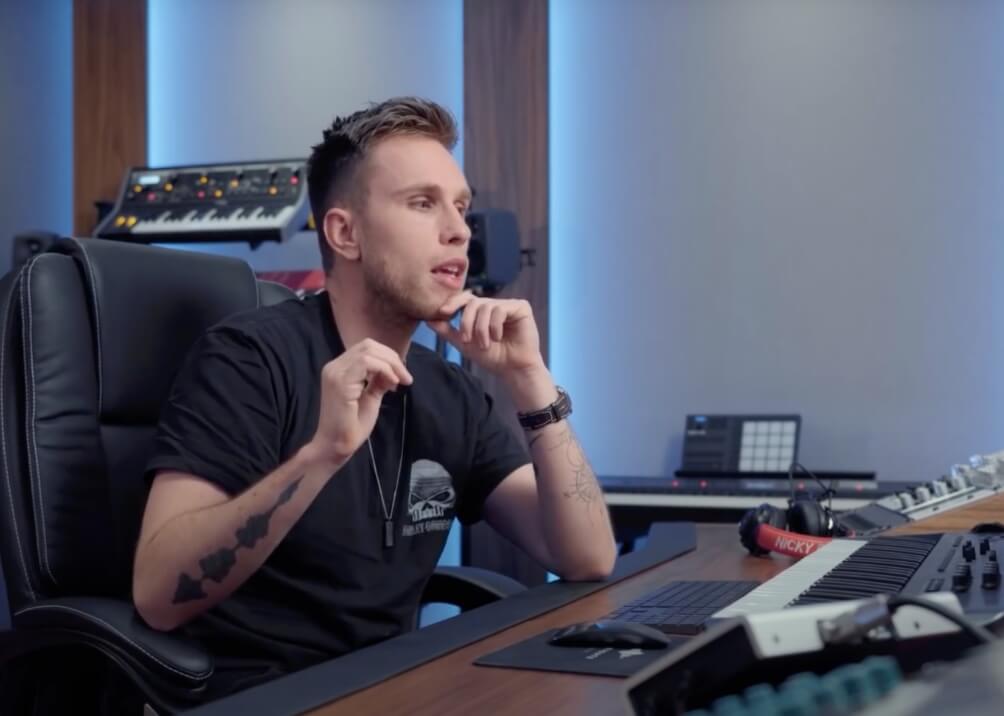

Use Kickstart in any DAW, for any style of music. EDM, trap, house, hip-hop, techno, DnB, and beyond
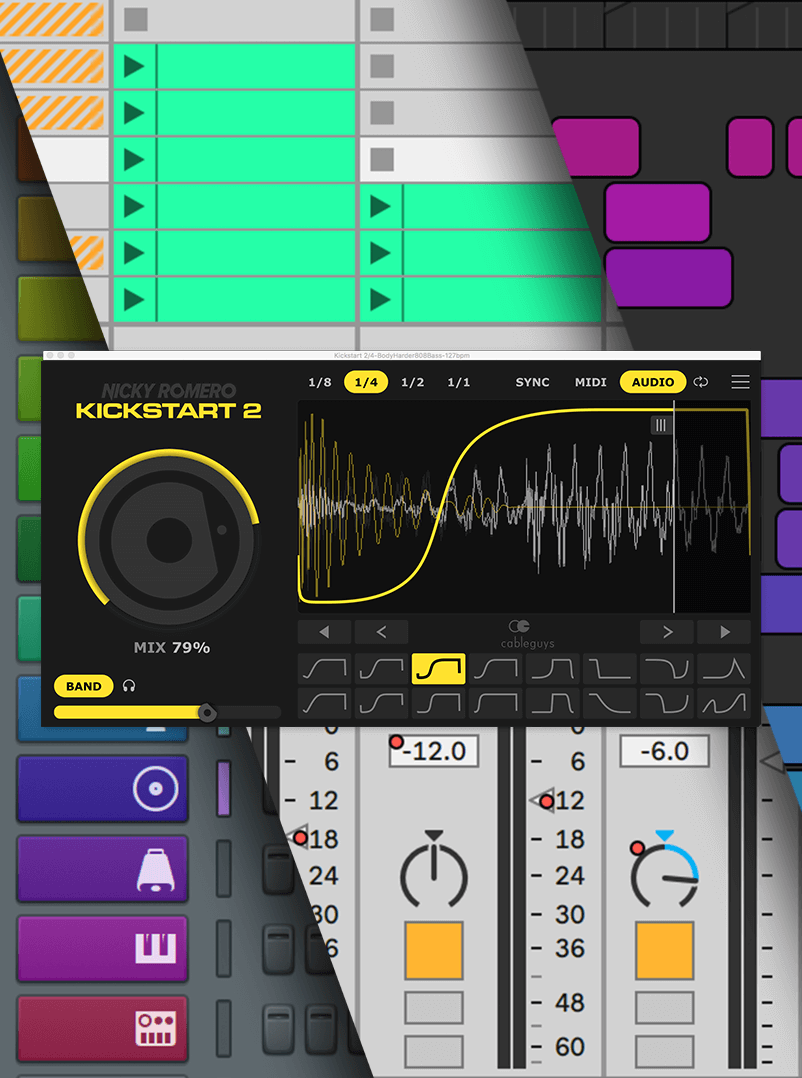
Add Kickstart – instantly get sidechain ducking, with no setup
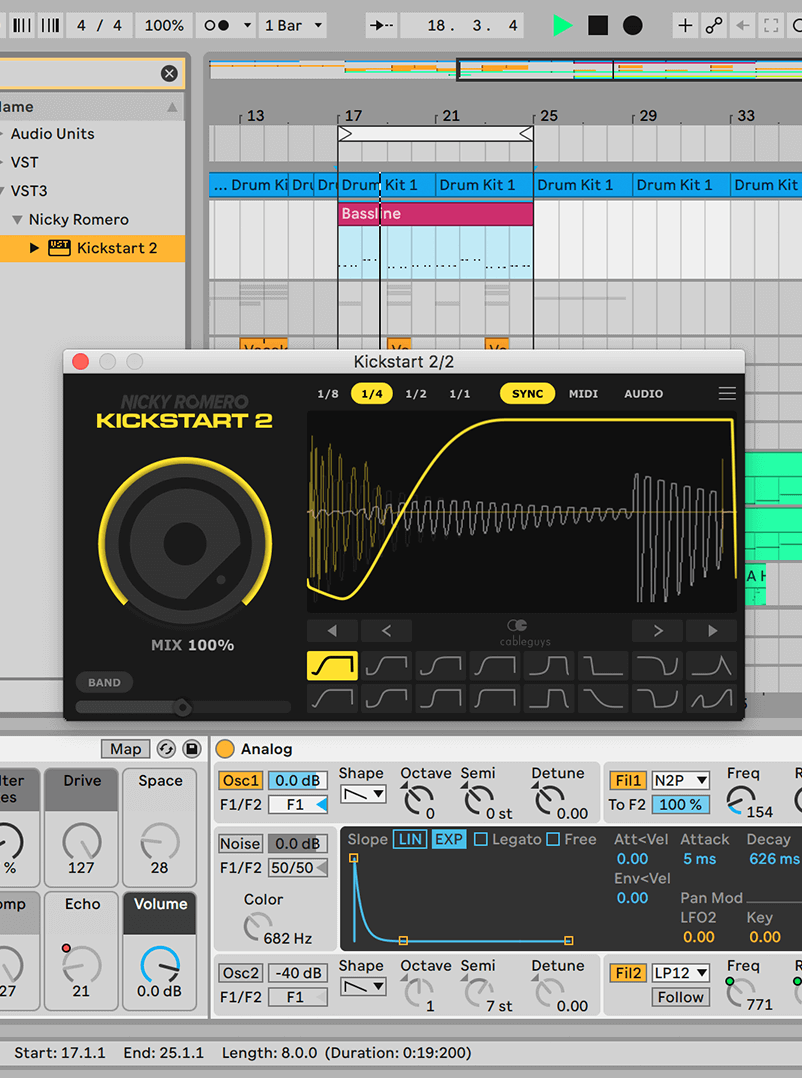
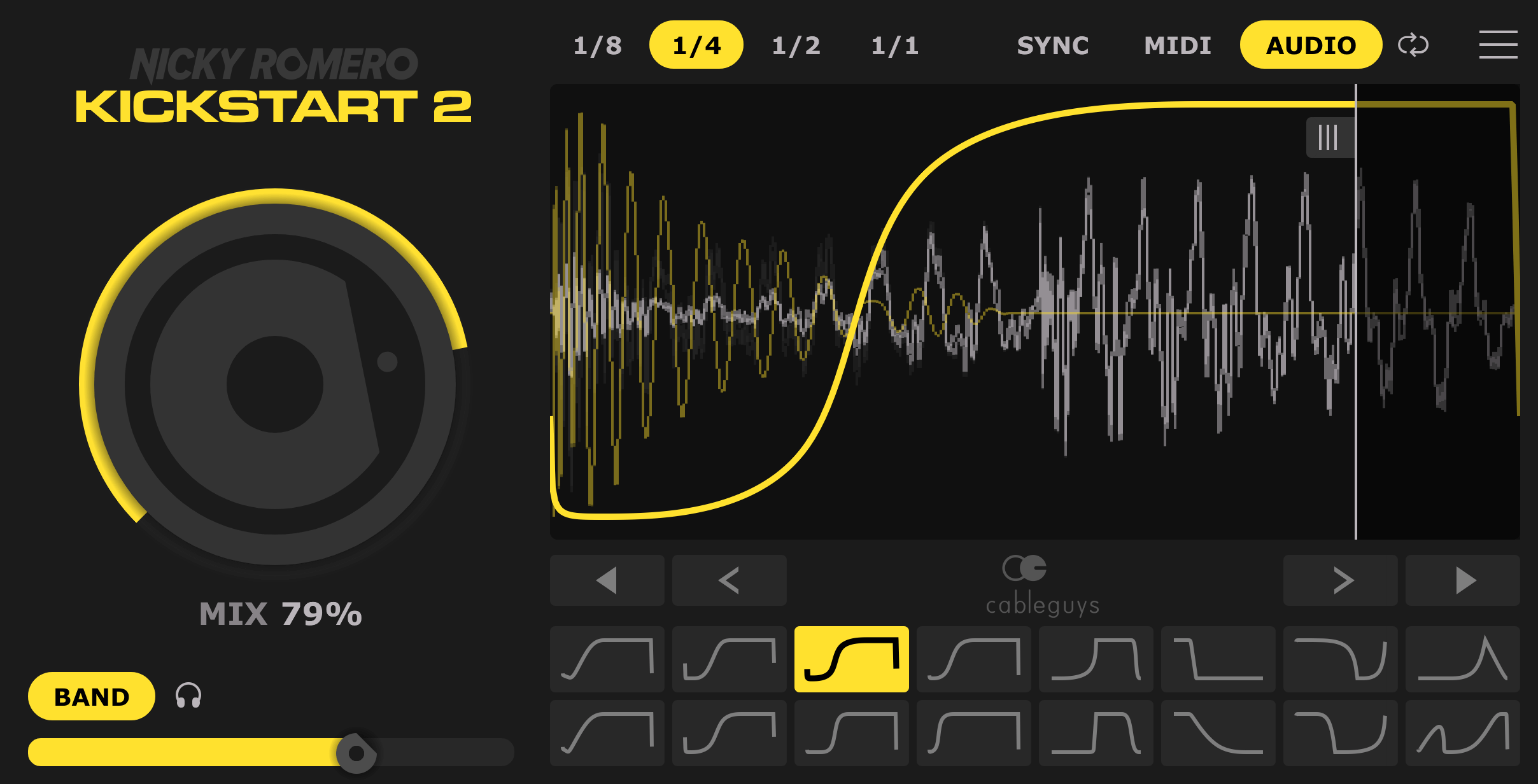
The exact curves Nicky Romero uses to get tracks sounding massive in the club But the landscape is shifting
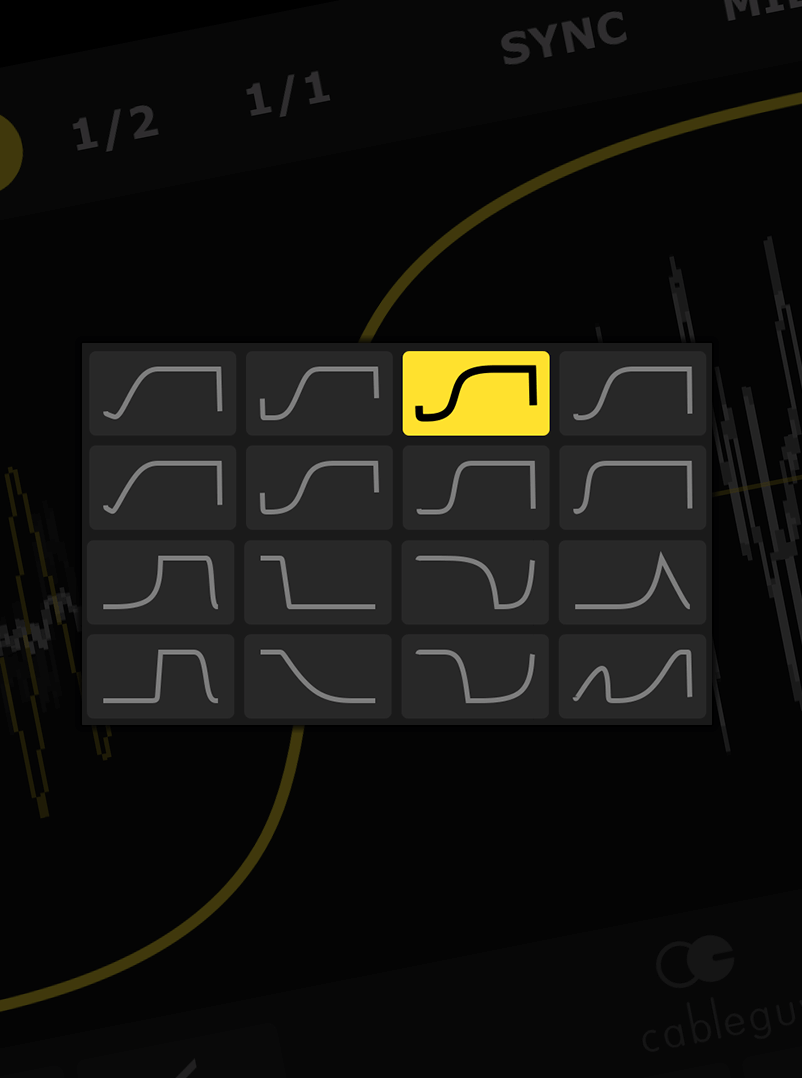
Easily adjust the strength of the sidechain effect to fit any mix
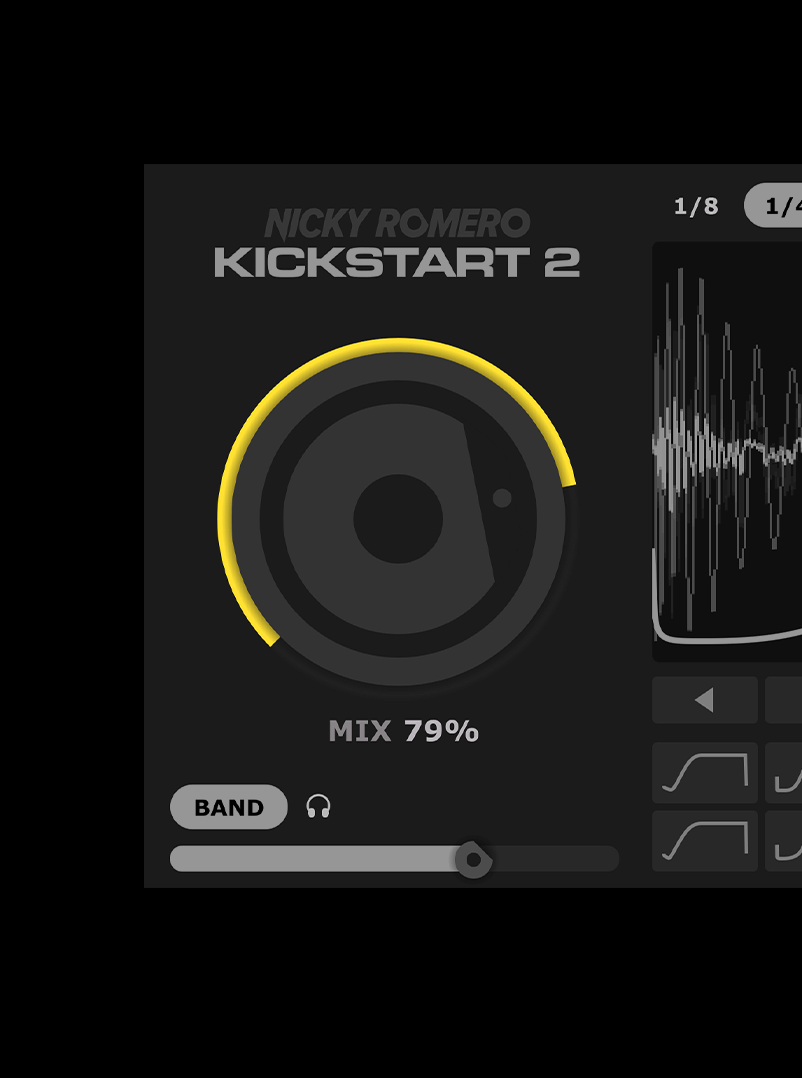
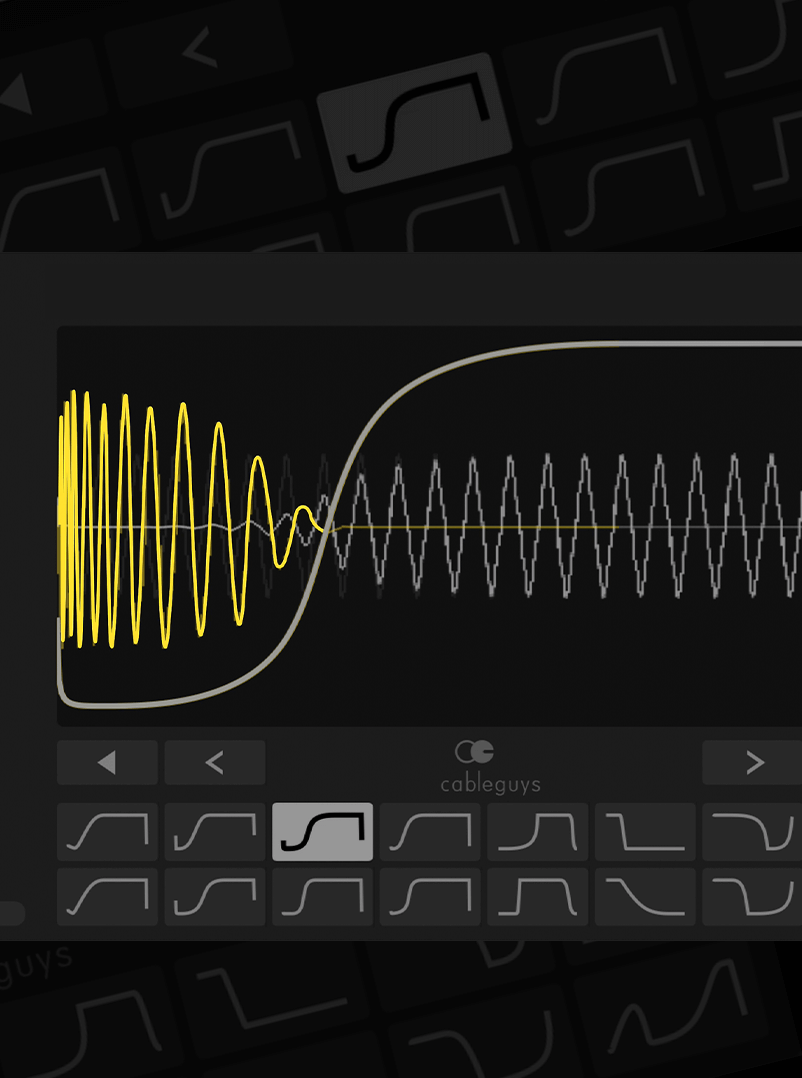
Forget complex editing tools – just drag the curve to fit any kick, long or short
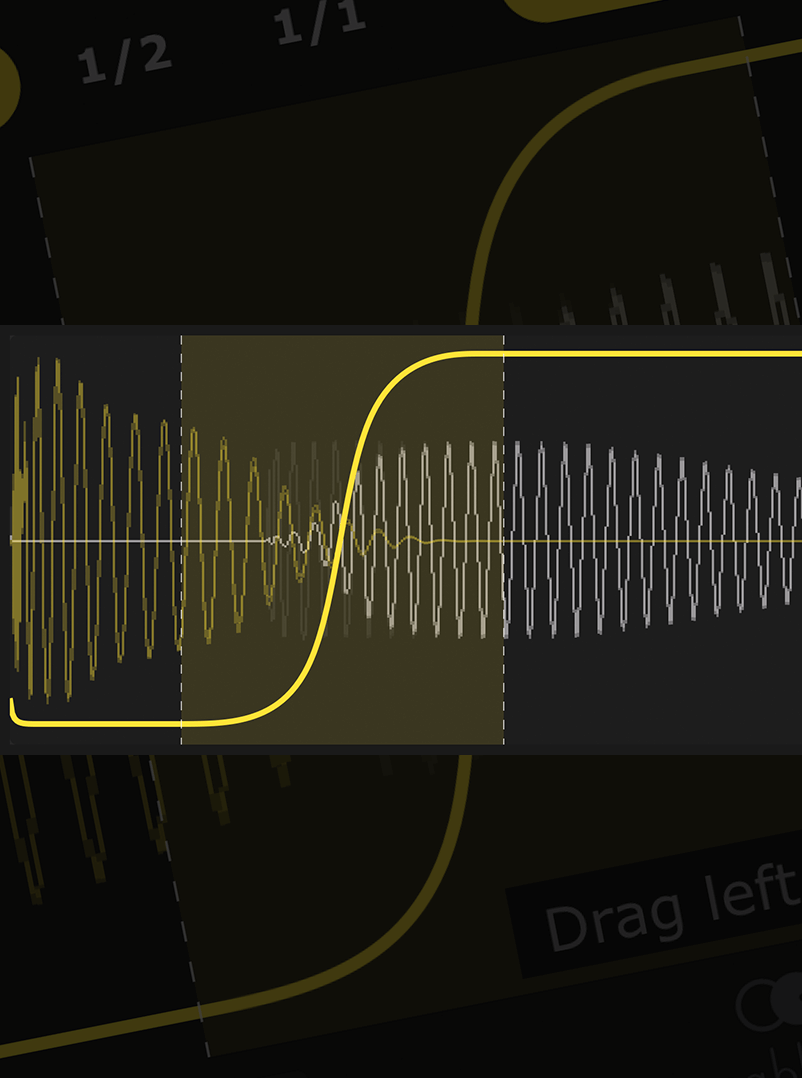
Kick not 4/4? No problem – Kickstart follows any kick pattern with new Cableguys audio triggering Today, mature women in entertainment are not just
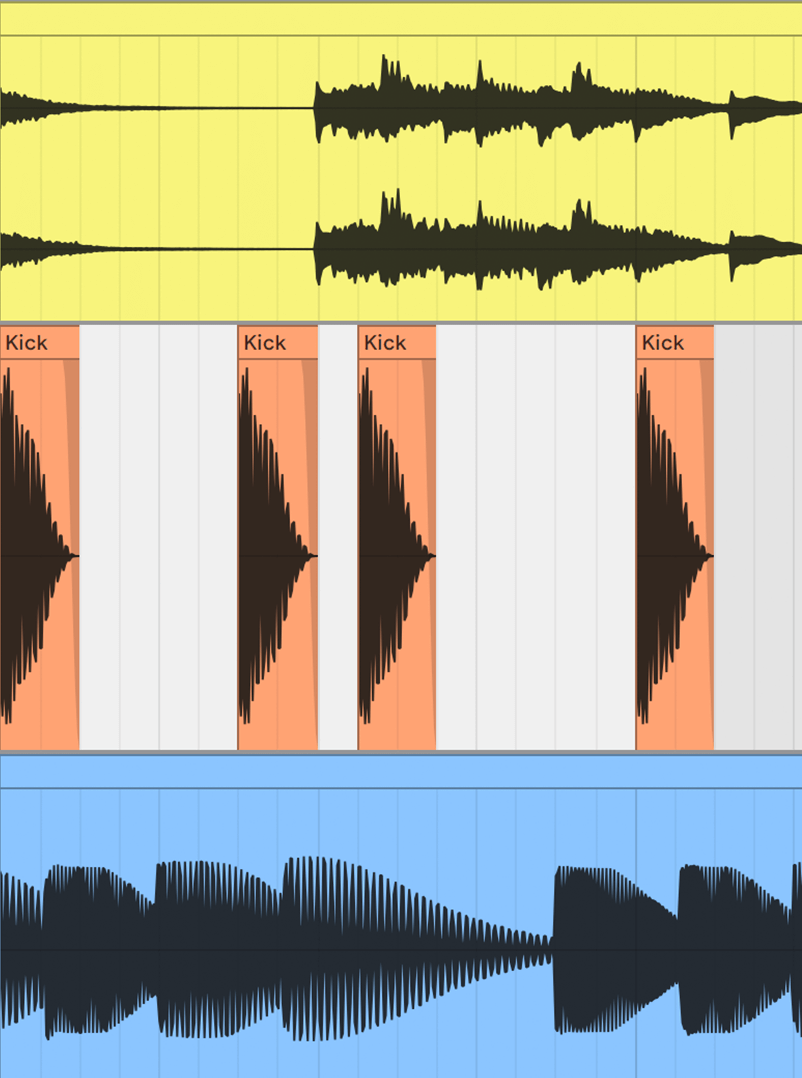
Easily duck only the lows of your bassline – the pros’ secret trick for tight bass with full frequencies

See kick and bass waveforms on the same display – get your lows locked tight like never before
But the landscape is shifting. Audiences, tired of recycled youth and vacant plots, are demanding something Hollywood has neglected for a century: real life . And real life, as it turns out, is lived by women over 40, 50, 60, and beyond. Today, mature women in entertainment are not just surviving; they are dominating. They are producing, directing, and starring in complex, visceral, and commercially viable narratives that challenge every old rule in the book.
Robin Wright in House of Cards . Viola Davis in How to Get Away with Murder . Glenn Close in Damages . These women are ambitious, ruthless, morally grey, and often unlikable. They are afforded the same complexity we have given to Tony Soprano and Walter White for years.
For decades, the arithmetic of Hollywood was brutally simple. A male actor’s “value” peaked in his 40s and 50s; a female actor’s clock stopped ticking at 35. Once the last close-up of the ingénue faded, the roles for women dried up into caricatures: the nagging wife, the mystical grandmother, or the ghost (quite literally, a character who exists only to die and motivate a man).
The sustained momentum of mature women in entertainment signals a permanent cultural shift. Cinema is finally acknowledging that a woman's narrative does not conclude when she leaves her youth behind; rather, it enters its most compelling, complex, and cinematic chapter.
But the audience knew better. The audience was that woman.
This seems to be an incomplete citation or title. However, based on the information given, here are a few observations and a potential approach to understanding or finding more about this document:
The modern cinematic landscape proves that audiences want to see mature women in varied, high-stakes narratives. This representation spans multiple genres: The Complex Antihero and Protagonist
While cinema was slow to change, the golden age of television—particularly the last decade—has been the true incubator for complex, mature female narratives. Without the box office pressure of opening weekend, streaming services and cable networks took risks.
With multiple Oscars won well into her 60s (including Three Billboards Outside Ebbing, Missouri and Nomadland ), McDormand has championed raw, unvarnished realism, explicitly refusing to conform to Hollywood's cosmetic standards of youth.